
Posting Images of Children Online in an AI world
The digital landscape is changing, and it is time to change our behaviour to protect children online. In Australia, we have a social media ban for under 16s, yet photos of infants and children are continually being posted on the internet, often on open social media pages. According to UNICEF, the average child has over 1,500 images posted of them online before they turn five years of age.
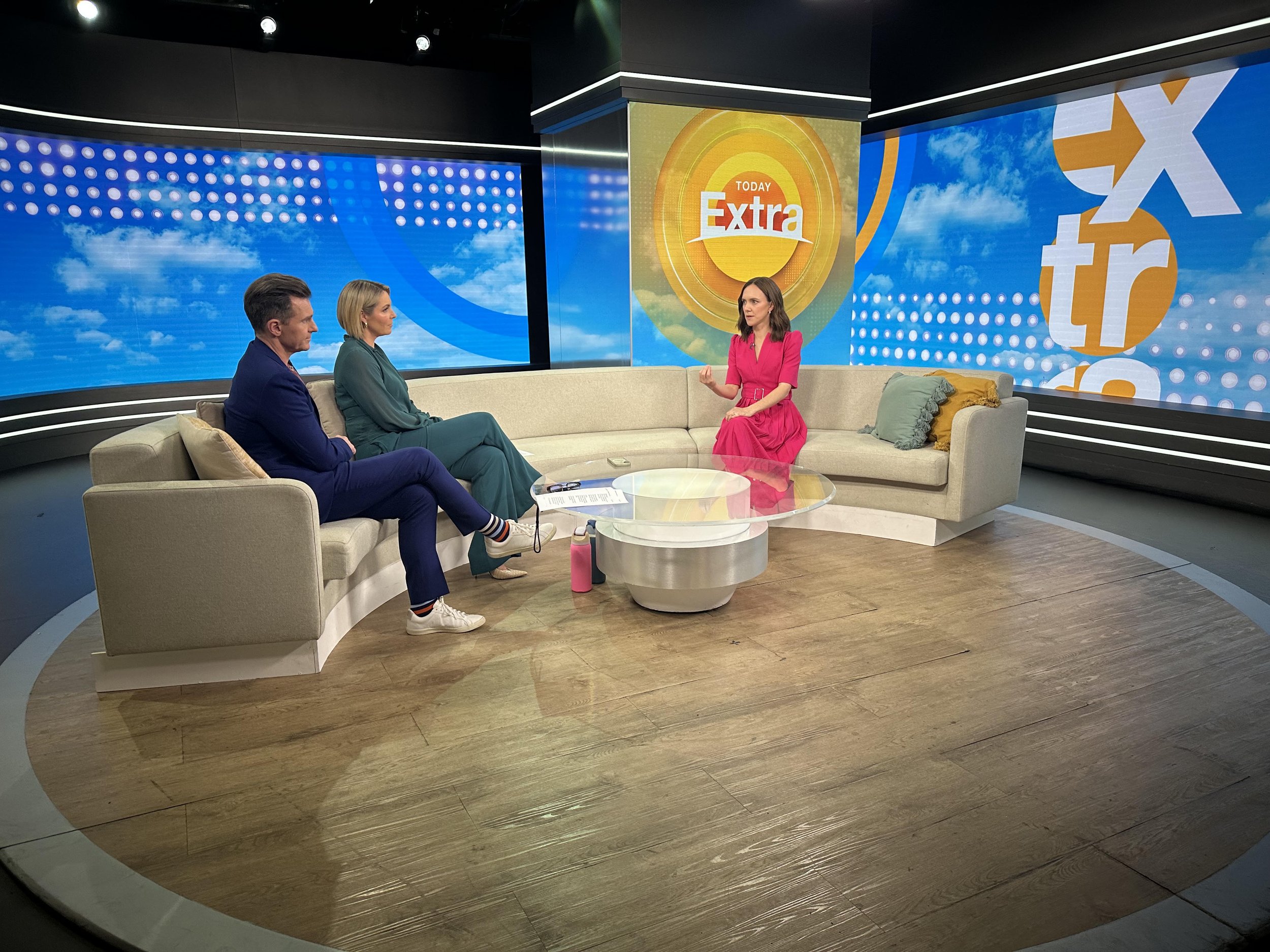
Dr Claire Madden interviewed on Today Extra Channel 9
With advancements in AI, photos can be used to train AI agents, for improved facial recognition and in creating a lasting digital footprint for children. However, in some cases, AI is being used to manipulate publicly available everyday images of children to create exploitation material and deepfakes.
Once photos are shared online, you lose control over who sees it and how it is used. And it’s getting more sophisticated – from facial recognition technology building biometric profiles of children, to children’s images being used by AI training, by advertising companies and for data brokering. More sinister ways include AI generated sexual abuse material being created from everyday photos accessible on public social media pages. The Internet Watch Foundation (iwf.org.uk) data highlights the rapidly changing landscape in this area:
o In 2025 IWF assessed 8,029 AI-generated images and videos as showing realistic child sexual abuse.
o In 2025 the IWF identified 3,443 AI generated child sexual abuse videos – an increase of 26,385% on the previous year. Of these 65% were classified as Category A, the most extreme classification.
School social media sites:
In order to promote their school and the achievements of students, many schools regularly post images of children on public social media pages. As many of these pages have no restricted access, a vast number of children’s photos are easily accessible to the public. With the increased risks around AI, it means it is time for school leaders to fundamentally rethink their practice in this area.
The United Nations Convention on the Rights of the Child (Australia ratified the Convention in Dec 1990), has a core principle that “the best interest of the child as a primary consideration”. In today's current digital climate we need to consider if posting images of children on public sites is truly acting in the best interests of children.
Dr Claire Madden was interviewed on this topic on the Today Show Extra in July 2026. To get in touch with Claire or to invite Claire to speak at your next school PD day or event, please get in touch.